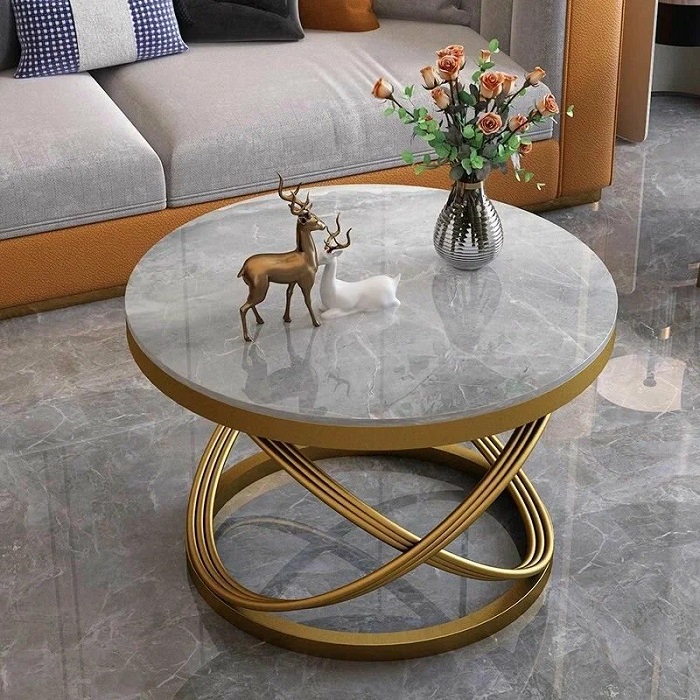
When people design a living room, they usually focus on the largest and most obvious elements first. The sofa often becomes the main priority, while rugs, lighting, and accent chairs help shape the atmosphere. Yet one of the most important pieces in the entire room is often underestimated: the coffee table.
A coffee table is not simply a practical surface placed in front of a sofa. It plays a central role in the composition of the space, helping define the seating area, introduce material contrast, and create visual balance. Because it sits at the center of the room, it naturally draws attention and influences how the entire interior feels.
In many homes, the coffee table becomes the element that quietly ties everything together. It supports the flow of everyday life while also acting as a focal point that adds character and structure to the room.
A Statement Coffee Table Creates a Stronger Living Room Identity
A living room can feel unfinished when the center of the seating area lacks purpose. Even when the sofa, rug, and lighting are carefully selected, the room may still seem incomplete without a coffee table that gives it visual direction.
This is why many homeowners are moving away from generic furniture choices and investing in pieces with more personality. A statement coffee table does more than occupy space. It helps define the identity of the room and gives the interior a more considered, elevated appearance.
Brands such as Petra Madalena reflect this design approach especially well. Rather than viewing furniture as purely functional, Petra Madalena represents a more refined perspective in which every piece contributes to the atmosphere of the home. In that context, a coffee table becomes more than a surface. It becomes part of the room’s overall design language.
Unique Materials Add Depth, Texture, and Visual Interest
One of the most effective ways to make a coffee table stand out is through material choice. The right material can change the mood of the room completely, adding warmth, richness, or sculptural clarity depending on the desired effect.
Wood remains one of the most admired materials in interior design because it brings natural depth and individuality into a space. Among the most visually striking options is the burl coffee table. Burl wood is known for its expressive grain patterns, which create movement and character unlike more uniform wood surfaces. Because each grain pattern is naturally formed, every piece feels distinct and one of a kind.
This kind of visual detail can make a coffee table feel more artistic and memorable. It adds texture to a living room and helps create a layered interior, especially when paired with softer materials such as linen, wool, boucle, or velvet. In interiors where styling is kept relatively minimal, a material with strong natural character can have even greater impact.
Why Tailored Furniture Creates a Better Fit
A beautiful coffee table should not only look impressive. It should also feel appropriate for the room in which it is placed. Scale, proportion, and finish all matter, and these details often determine whether a piece feels intentional or out of place.
This is one of the reasons personalized furniture has become increasingly desirable. A custom coffee table gives homeowners more control over how the final piece works within the living room. Instead of adapting the room around a standard design, it becomes possible to choose a solution that responds more precisely to the architecture, layout, and aesthetic direction of the home.
Customization can also improve long-term satisfaction. Furniture that is selected with greater care is more likely to remain relevant over time, even as other elements in the room change. This makes the coffee table not only a design choice, but also a meaningful investment in the daily experience of the home.
The Importance of Proportion in Coffee Table Design
No matter how beautiful a coffee table may be, it must still relate properly to the rest of the living room. Proportion is one of the most important aspects of successful furniture selection.
A table that is too large can make the seating area feel crowded and disrupt movement through the room. A table that is too small may look disconnected and fail to create the visual anchor the space needs. The ideal coffee table sits comfortably within the dimensions of the sofa and surrounding chairs, supporting both balance and usability.
Height is equally important. In most well-designed living rooms, the coffee table relates naturally to the seat height of the sofa. This creates a more harmonious look while also making the table easier to use in everyday life.
Shape Influences Both Style and Function
The shape of a coffee table can significantly affect how a room feels. Round or oval tables often help soften interiors that contain many straight lines and sharp angles. They also improve circulation, especially in smaller living rooms or tighter layouts.
Rectangular and square tables tend to feel more structured and are often better suited to larger seating arrangements. Sculptural or unconventional forms can introduce a more artistic effect, particularly in rooms where the rest of the furnishings are simple and restrained.
Choosing the right shape is not only about visual preference. It is also about how people move through the room and how the table supports daily routines.
Minimal Styling Works Best With Strong Furniture Design
A high-quality coffee table does not need heavy styling to feel complete. In many cases, less is more. A small stack of books, a ceramic bowl, or a simple decorative object can be enough to enhance the table without distracting from its design.
This is often the sign of a strong piece of furniture. When the material, craftsmanship, and form are well considered, the table can hold presence even when left mostly bare. That sense of restraint often makes a living room feel more refined and calm.
For interiors shaped by quality and intention, this approach aligns naturally with the design values associated with Petra Madalena. Furniture should contribute to the atmosphere of the home through its own inherent beauty, not only through decoration placed on top of it.
Why a Coffee Table Can Transform the Entire Room
A coffee table sits at the center of one of the most used spaces in the home. It supports daily life, influences visual harmony, and often becomes one of the most memorable elements in the room. Because of this, it deserves more attention than it usually receives.
The right coffee table can add structure, warmth, texture, and identity to a living room. It helps connect all surrounding elements and gives the room a stronger sense of intention. Whether the goal is to create a calm minimalist space or a more expressive and layered interior, the coffee table can play a defining role in achieving that result.
Final Thoughts
A statement coffee table is not just an accessory for the living room. It is one of the key pieces that shapes how the space looks and feels every day. With the right material, proportions, and design direction, it can transform an ordinary room into one that feels complete, curated, and memorable.
For homeowners who value natural materials, refined forms, and timeless craftsmanship, Petra Madalena represents a thoughtful source of inspiration. When chosen with care, the right coffee table becomes more than a functional object — it becomes a defining part of the home.