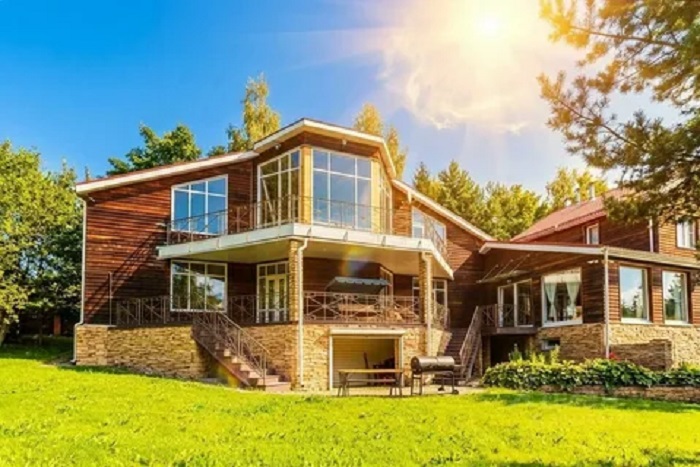
Every improvement feels like an investment while you are doing it. New windows, a better roof, a kitchen that finally looks like the photos you saved. In a home you live in, that feeling is the whole point.
In a rental, the feeling is expensive. A tenant does not pay for how the house makes you feel. They pay for bedrooms, bathrooms, location, and whether things work. Most of what a landlord spends on «improvements» lands in one of three buckets, and only one of them raises the rent.
This is for anyone who owns a rental, is about to, or is renovating a property they might rent out one day. The test below takes about a minute per project.
The one-minute test
For any improvement, answer two questions:
- How much more rent per month will a tenant actually pay because of it?
- How much does it cost, all in?
Divide the cost by the monthly rent increase. That is the payback in months. Anything under 24 months is excellent. Anything under 60 is reasonable. Anything over 120 is a lifestyle choice, not an investment, and that is fine as long as you call it what it is.
The hard part is question one, because the honest answer for most projects is «nothing.» A tenant comparing two similar three-bedroom houses on the same street will pay more for the one with a second bathroom. They will not pay more for the one with the nicer tap.
Bucket one: improvements that raise rent
These are the projects that change what the listing is, not how it looks.
An extra bedroom. Converting a dining room, a large landing, or a finished attic into a legal bedroom is the single highest-return improvement in most markets. Rent is set by bedroom count before anything else. A $6,000 conversion that adds $200 a month pays back in 30 months and keeps paying for decades.
A second bathroom. Going from one bathroom to one and a half, or from one to two, moves a property into a different tier of tenant. Typical payback runs 4 to 7 years depending on plumbing access, which sounds slow until you notice it also cuts vacancy and turnover, because families stay longer in houses that work for families.
In-unit laundry. Where it is not already standard, a washer-dryer hookup plus machines is often the cheapest rent increase available. A $1,500 install that adds $75 a month pays back in 20 months.
Parking, where it is scarce. An off-street space in a dense neighborhood can be worth $50 to $150 a month on its own. Paving a strip of front garden is rarely beautiful. It is frequently profitable.
Air conditioning in hot markets, proper heating in cold ones. Tenants will pay for comfort that they would otherwise have to buy themselves. A ductless mini-split in a bedroom is a modest outlay that shows up directly in rent in the right climate.
Durable, matching flooring throughout. This one is partly bucket one and partly bucket two. Luxury vinyl plank through the whole unit does not raise rent much, but it stops the slow loss of rent and deposits that comes from stained carpet and a floor that looks different in every room.
Bucket two: improvements that protect rent
These do not let you charge more. They stop you from earning less. Windows and roofing, two of the most common projects in any home-improvement conversation, live here.
The roof. A new roof does not raise rent by a single dollar. A failing roof loses you the tenant, the ceiling, and potentially the insurance policy. Treat the roof as a reserve, not an improvement: divide the replacement cost by its remaining years and set that aside monthly. A $12,000 roof with ten years left is $100 a month whether or not you have started saving it.
Windows. Replacement windows are a comfort and energy upgrade that tenants appreciate and rarely pay extra for, because utility savings accrue to whoever pays the bills. If the tenant pays utilities, the windows mostly protect against complaints and turnover. If you pay utilities, they are closer to bucket one, because the savings are yours.
Heating system. A reliable, efficient boiler or furnace keeps tenants warm and keeps you out of emergency-repair territory in January. Necessary, and not a rent lever.
Paint, lighting, fixtures, and fittings. A clean, neutral, well-lit unit rents faster. It does not rent for more. The value is in shorter vacancy, which is real money: a unit that rents two weeks sooner at $1,800 a month just earned you $900.
Bucket three: improvements that only raise your costs
These are the ones that feel the most like investing and behave the least like it.
The high-end kitchen. A $30,000 kitchen in a rental that commands $1,800 a month might support $100 more in rent. That is a 25-year payback on cabinetry that tenants will ding, scratch, and stain inside three leases. The rental version of a good kitchen is a clean layout, solid-surface counters, decent appliances, and finishes you can match in five years.
Swimming pools, hot tubs, elaborate landscaping. Ongoing maintenance, liability, and water bills, against a rent premium that is usually small and a tenant pool that is sometimes smaller, because many renters see a pool as a chore.
Designer fixtures and statement lighting. Anything that needs a specialist to replace is a future invoice, not an amenity.
Smart-home everything. A smart thermostat and a keypad lock are useful and cheap. Whole-house automation is a support ticket waiting to happen, and the next tenant will want to reset it anyway.
Premium materials where durable ones would do. Natural stone that stains, site-finished hardwood in a kitchen, painted cabinet doors. All beautiful on day one. All money you will spend again on day 1,095.
A quick worked example
Take a three-bedroom, one-bathroom house renting for $1,800 a month, and three possible projects:
| Project | Cost | Rent increase | Payback |
|---|---|---|---|
| Washer-dryer hookup and machines | $1,500 | $75 a month | 20 months |
| Half-bathroom added under the stairs | $9,000 | $150 a month | 60 months |
| Full kitchen remodel with stone counters | $30,000 | $100 a month | 300 months |
The kitchen is the project most owners would do first. It is the one the numbers say to do last, or not at all, until the other two are done.
The cleanest way to run this for your own property is to model the rent, the costs, and the vacancy allowance together, then change one line at a time. A free rental property cash flow calculator does exactly that: enter the rent before and after the project and watch the monthly cash flow move, or not move.
The habit that makes this easy
Before any project on a rental, write down the answer to «what will a tenant pay for this?» in a single sentence. If the sentence is «nothing, but it will look better,» you have described a bucket-three project. Do it if you want to, with your eyes open.
If you are earlier than that, still deciding whether to buy a rental at all, the improvements question is a good sign you are thinking like an owner rather than a buyer. Real Estate Explained publishes a free guide to buying your first rental property that walks through how to evaluate a property before you own it, including which fixes to price in and which to ignore. The house that needs a new roof and a second bathroom might be the best deal on the street, if you know what each one is worth.