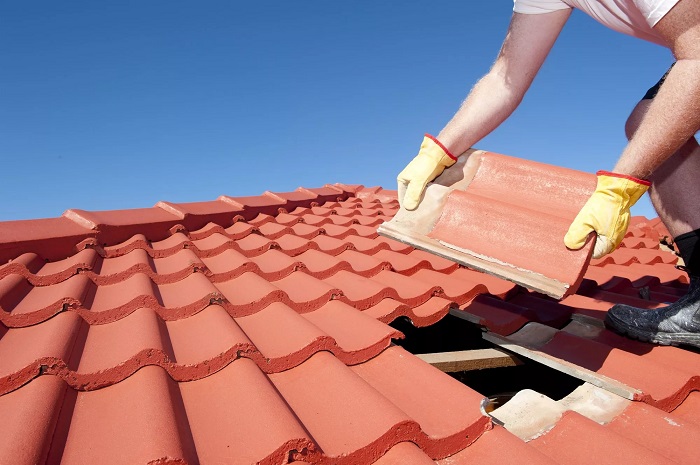
Tiled roofing is valued for its durability, resistance to temperature fluctuations and expressive appearance, which is suitable for both classic and modern projects. Due to its dense structure and thoughtful geometry of the elements, it provides reliable protection from precipitation and wind, and with the right selection of components, it retains the tightness and neat pattern of the coating for decades; the experience of calgary residential roofing shows that the quality of the substrate and the accuracy of installation directly affect the service life.
Tile installation begins with the preparation of the rafter system and the «roof pie» device: vapor barrier, insulation (if necessary), hydro and windproof layers, as well as counter-lattices and crates with a pitch for the selected format. Next, the rows are laid in compliance with overlaps and fixation in nodal zones, after which ridge and adjacent elements, snow holders and ventilation components are installed, ensuring reliability, safety and proper moisture removal.
What types of roof tiles are suitable for roofing in different climatic conditions
The choice of roof tiles directly depends on the climate: temperature fluctuations, precipitation, wind loads and solar radiation levels. In some regions, frost resistance and resistance to icing are critical, in others, heat resistance, color fastness and the ability of the coating not to overheat the under–roof space.
When evaluating a material, it is important to take into account not only the appearance, but also the performance characteristics: water absorption, weight, requirements for the base and fastening, as well as the behavior of the coating during expansion/compression. Proper selection of the type of roof tiles reduces the risk of leaks, deformations and premature repairs.
Selection of roof tiles according to climatic conditions
Cold climate with frequent frosts (long winter, «thaw–frost» cycles, snow loads): low water absorption, high frost resistance and reliable fixation of elements are especially important here. Ceramic tiles perform well (subject to high-quality firing and proper installation), as well as cement-sand tiles, which confidently tolerates seasonal fluctuations. For such regions, it is critical to observe the technology of laying, use snow holders and pay attention to ventilation of the under-roof space.
- Ceramic – durable and resistant to cold with proper selection and installation.
- Cement-sand construction is reliable in frosty conditions and requires a strong rafter system due to its weight.
- Metal tiles are suitable with proper sound insulation and anti–corrosion protection, it is important to eliminate condensation due to steam and waterproofing.
Humid climate and frequent rains (sea air, high humidity, risk of moss and fungus): materials with a dense structure, a stable protective layer and minimal tendency to overgrow are preferred. In such conditions, metal tiles with a high-quality polymer coating and well-developed joints, as well as bitumen (flexible) tiles, which provide high tightness on complex roof shapes, are practical. It is important to choose coatings that are resistant to corrosion and UV rays, and do not skimp on ventilation and drainage systems.
- Bitumen (flexible) – works well on roofs with complex geometries and in heavy rainfall, provided the foundation and ventilation are correct.
- Metal tiles are effective with high–quality coating and proper protection from condensation.
- Ceramic/cement-sand are possible, but it is advisable to choose options with protective coatings that reduce water absorption and contamination.
Hot, sunny and windy regions: what to choose
Hot climate with active sun (high temperatures, strong UV, risk of overheating): color stability, UV resistance and the ability of the coating to maintain its characteristics when heated are appreciated here. Ceramic and cement-sand tiles tolerate heat well and do not lose their shape, and also contribute to a more «calm» temperature regime of the roof with properly arranged ventilation. For such conditions, it is reasonable to choose light shades and coatings that are resistant to fading.
- Ceramic – stable when heated, durable, well suited for sunny areas.
- Cement-sand is practical in heat and UV stress, high–quality ventilation is important.
- Metal tiles are acceptable, but it is advisable to choose coatings with high UV resistance and take into account the heating of the sheets.
Windy areas and stormy areas (gusty winds, slanting rains): the reliability of fasteners and resistance to undermining are a priority. In such regions, metal tiles are convenient due to solid sheets and a large number of attachment points, as well as ceramic and cement-sand tiles with reinforced fixation of each element according to the wind region. Special attention is paid to the tightness of the ridge, cornices and abutments to prevent moisture from blowing out.
-
- Metal roof is effective with the right step of fastening and high–quality sealing of nodes.
Ceramic – suitable for reinforced mounting and compliance with requirements for wind loads.
- Cement-sand – it is reliable with correct fixation and a solid foundation.