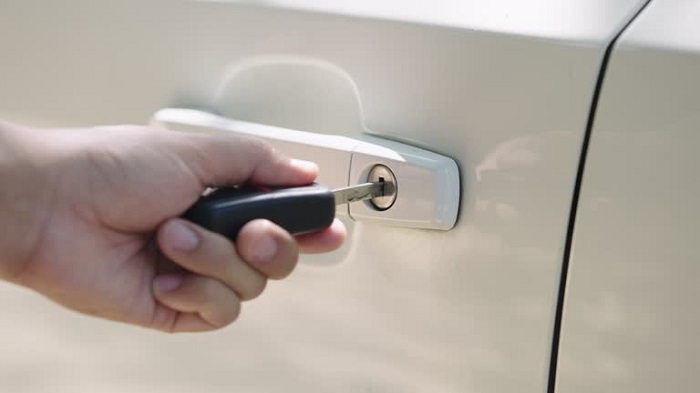
Car opening is a complex process aimed at safely restoring access to the interior, trunk, or locking components without damaging the body or factory systems. The correct approach begins with diagnosing the cause of the lock and selecting a method suitable for the specific model and type of lock with BMW automotive locksmith.
The procedure must be performed taking into account the legality of ownership and the design features of the lock: mechanical cylinders, electronic actuators, immobilizer, alarm, double-locking mode, and keyless entry. Below are the main stages and common options used in practice.
Situational diagnostics: determining the lock type, presence of an immobilizer, and a secure access point
Situational diagnostics is the final and most crucial step before any opening actions: first, the locking design is determined, then the electronic protection is assessed, and finally, a secure access point is selected that minimizes the risk of damage and blockages.
The goal of diagnostics is not to «open the door faster,» but to open it in a controlled manner: preserving the integrity of the car body and windows, without triggering unnecessary security scenarios, and without subsequent problems with starting the engine due to interference with standard systems.
What to check before choosing an opening method
- Lock type and door mechanics: cylinder (present/not present), rod/lever condition, presence/absence of «double locking» (deadlock), door frame and seal features.
- Central lock type: mechanical, electric, pneumatic; response to repeated opening attempts.
- Immobilizer availability and features: standard transponder in the key, keyless entry tag, blocking due to incorrect authorization, risk of entering protective mode.
- Security systems: standard alarm, additional systems, shock/volume/tilt sensors; Probability of activation at the selected access point.
- Power status: signs of battery discharge, availability of emergency power supply methods without disassembly or damage.
- Safe access point: area where the tool operates with minimal force and without deformation (taking into account edges, glass, moldings, position of air curtains, and wiring).
- Lock identification: by model/year, presence of a cylinder, type of button/handle, response to external influences. Restrictions (e.g., deadlock) are recorded.
- Electronic security assessment: determines whether opening the door will be sufficient for access, or whether standard authorization will be required to disable the locks after opening.
- Access point selection: preference is given to areas where the risk of damage is minimal and sensors are not triggered; Areas with a high risk of contact with wiring, glass, and passive safety elements are excluded.
- Consequence management: pre-planning is carried out to prevent re-locking, ensure the integrity of seals, and what to do if the security system is triggered (standard shutdown scenarios only).
Result: Correct situational diagnostics integrate the lock mechanics, electronic protection, and the selection of a secure access point, allowing for predictable opening with minimal risk of damage and subsequent system failure.